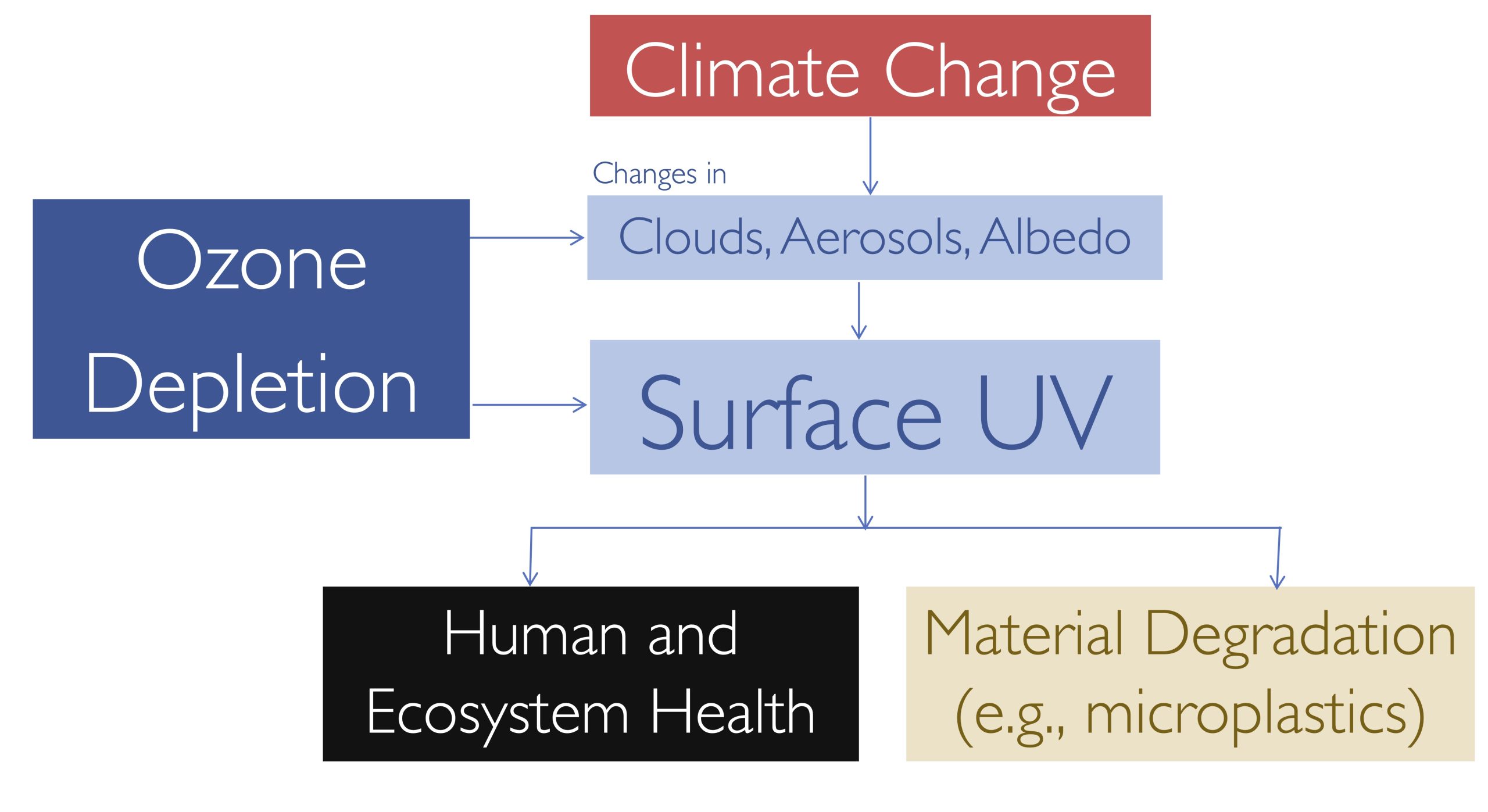
The main aim of the NDACC Spectral UV group is to maintain the highest quality measurements of spectral UV irradiance, and to make them accessible to researchers in order to better understand geographical and temporal differences.
Working Group: UV Spectroradiometer
Network for the Detection of
Atmospheric Composition Change (NDACC)
Spectral UV Working Group
The Spectral UV Working Group of Network for the Detection of Atmospheric Composition Change (NDACC) is dedicated to measuring the solar UV spectrum reaching the Earth’s surface, with particular attention to trend detection and attribution analysis. Spectral measurements are more informative than broadband or weighted UV indices, as they enable a detailed understanding of how changes in atmospheric components (e.g., ozone, aerosols, and cloud cover) affect surface UV irradiance.
The NDACC Spectral UV Working Group has established strict data quality, calibration, and processing requirements for instruments seeking to become NDACC-certified for spectral UV (Wuttke et al., 2006). These instruments must be capable of measuring solar spectral irradiance in the UV range (typically from ~290 nm upward) under all sky conditions. NDACC-certified spectroradiometers employ double monochromators fitted with photomultiplier detectors, which are particularly important for accurate measurements in the UV region.
The NDACC Spectral UV Working Group has established strict data quality, calibration, and processing requirements for instruments seeking to become NDACC-certified for spectral UV (Wuttke et al., 2006). These instruments must be capable of measuring solar spectral irradiance in the UV range (typically from ~290 nm upward) under all sky conditions. NDACC-certified spectroradiometers employ double monochromators fitted with photomultiplier detectors, which are particularly important for accurate measurements in the UV region.
Following certification, the Working Group enforces detailed protocols for instrument calibration, maintenance, spectral response characterization, and data processing. In addition, periodic intercomparison campaigns are organized to assess instrument biases, uncertainties, and long-term stability. These instruments typically achieve measurement uncertainties of up to 10% for UV-B wavelengths (290–315 nm) and up to 4% for longer wavelengths (Cordero et al., 2008).
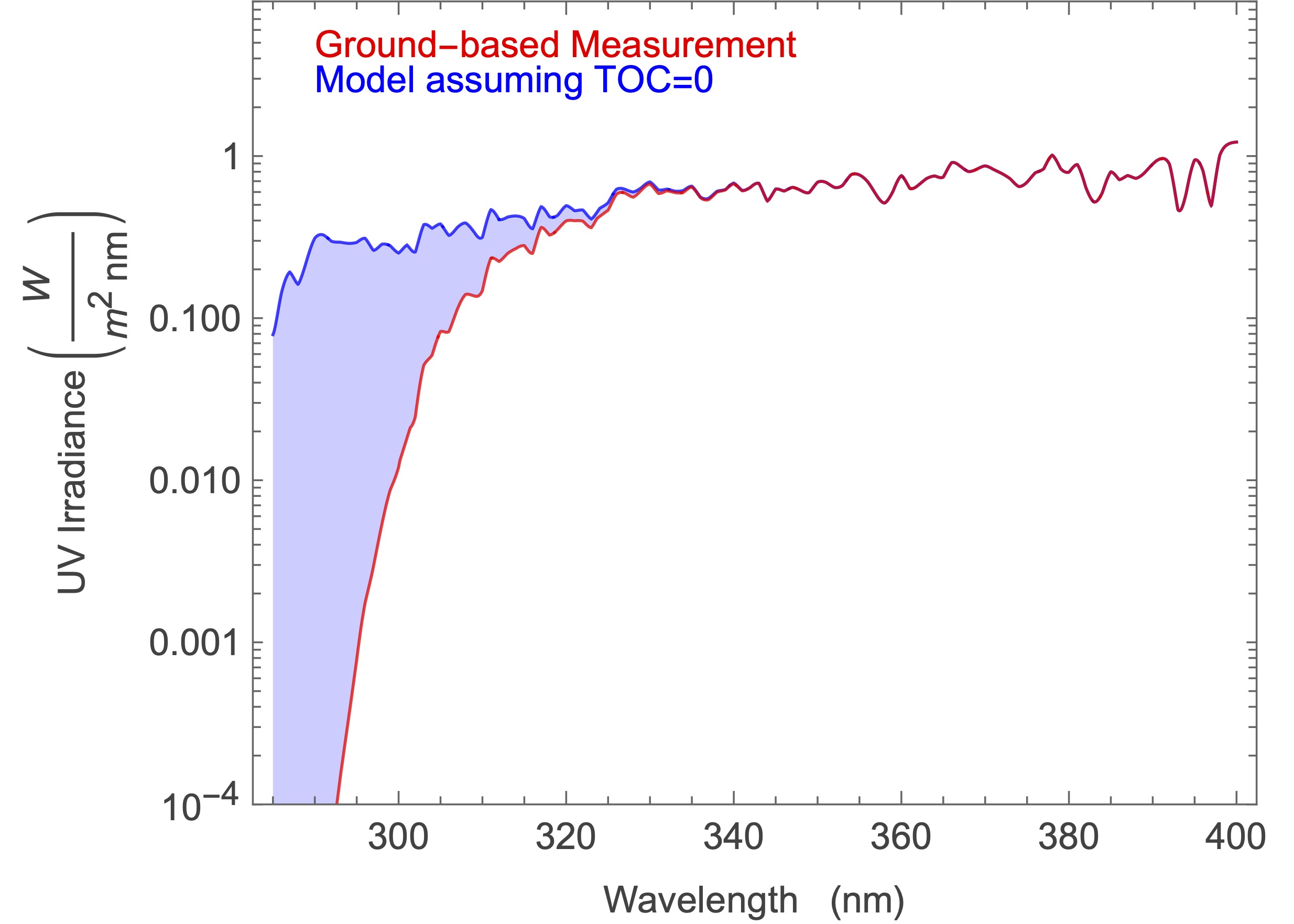
NDACC-certified instruments enables the detection of the strong ozone absorption feature in the UV range.
Stations
NDACC spectral UV measurements are currently conducted on a regular basis at 12 stations worldwide, spanning high latitudes in the Northern Hemisphere down to Antarctica. The selection of sites is based on latitude, altitude, and diverse atmospheric conditions (e.g., polar, mid-latitude, and tropical environments) to capture a wide range of UV regimes.
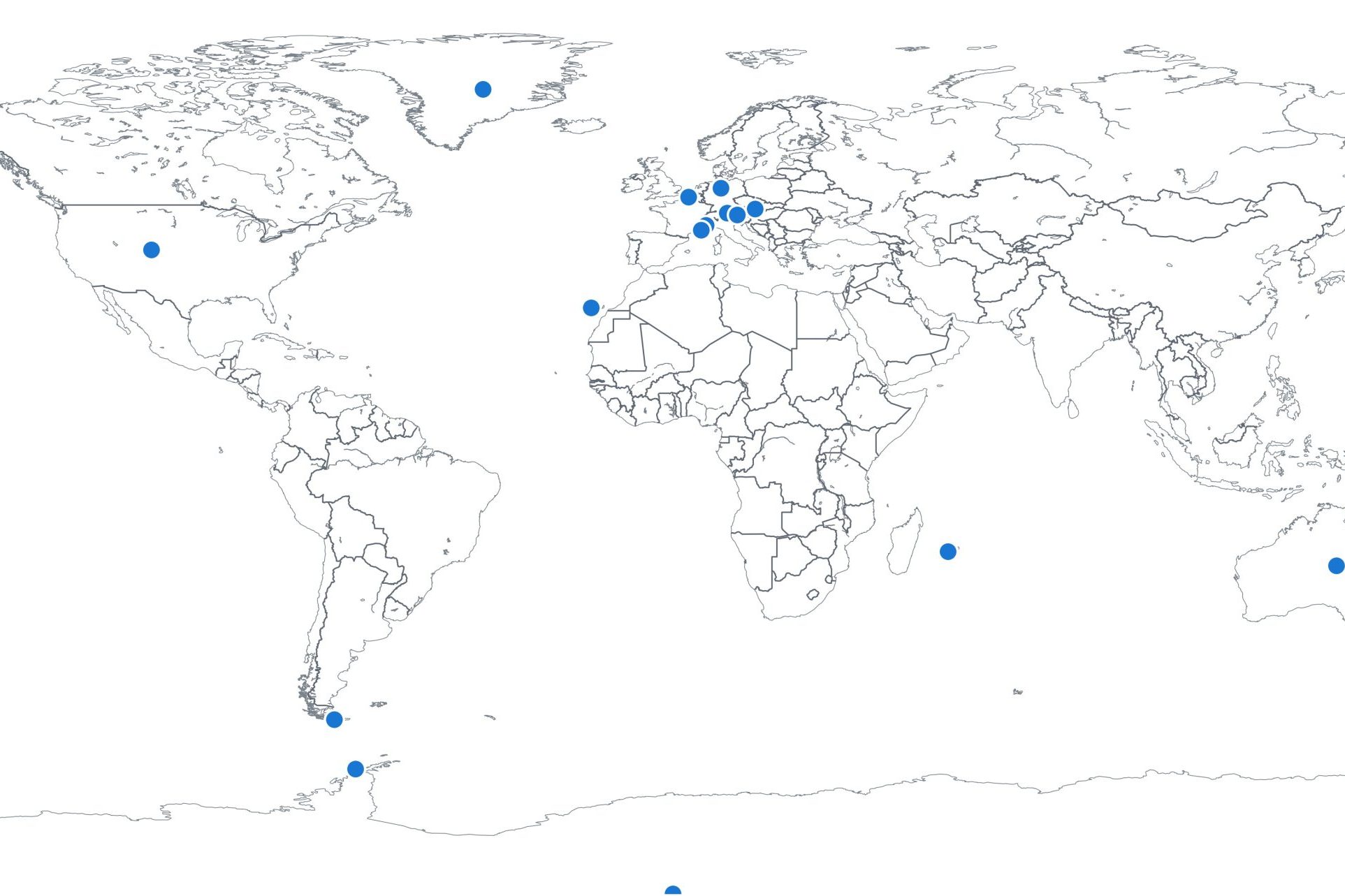
Location of spectral UV Working Group instruments.
Station
Model
Data Link
Metadata
Requirements for New Stations
The requirements for acceptance by NDACC are demanding. The results of inter comparison campaigns are used to understand capabilities and limitations of spectrometer systems before acceptance to NDACC. Detailed technical specifications can be found here.
Calibration of Broadband UV Radiometers
In accordance with WMO recommendations, the highly characterized, double-monochromator-based spectroradiometers used in the NDACC Spectral UV network provide a reference for the calibration and quality assessment of broadband UV radiometers. Because spectroradiometers measure UV irradiance wavelength by wavelength, their measurements can be used to determine how a broadband radiometer responds to the solar UV spectrum and to establish or verify its calibration.
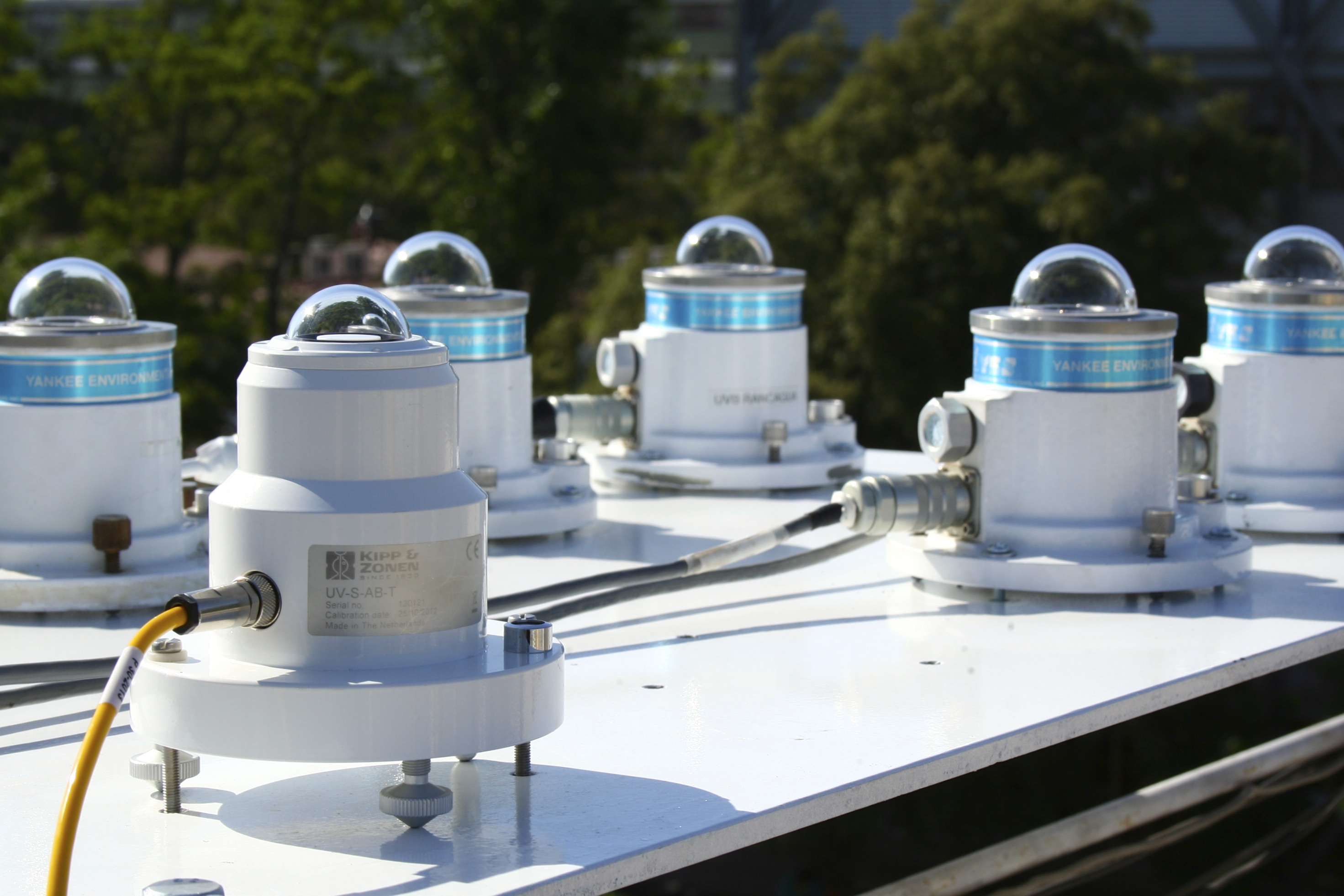
Calibration of Broadband UV Radiometers in Santiago (Chile), using as a reference a NDACC-certified instrument.
Human Health, Ecosystems, Materials
For more than three decades, the NDACC Spectral UV network has provided high-quality, long-term observations that have contributed to a broad range of atmospheric and environmental research. The measurements have been used to detect long-term changes in surface UV radiation and to investigate how these changes relate to variations in atmospheric composition, particularly ozone, aerosols, and clouds. Because the observations resolve UV radiation spectrally, they also allow researchers to distinguish changes associated with different atmospheric drivers.
NDACC spectral UV data have enabled studies of long-term trends in UV exposure (e.g., Bernhard & Stierle, 2020), ozone–UV coupling (e.g., McKenzie et al., 2022), and the validation of satellite-derived UV products (e.g., Brogniez et al., 2016). They have also been used to evaluate radiative-transfer models and improve our understanding of the processes controlling surface UV radiation (e.g., Cordero et al., 2016). In addition, the network has provided observations of extreme surface UV events (Cordero et al., 2023), helping to characterize conditions under which UV exposure can reach exceptionally high levels.
The value of these observations extends beyond atmospheric science. NDACC measurements have supported investigations of the effects of UV radiation on human health, terrestrial and aquatic ecosystems, and materials, including studies linking changes in UV exposure to biological and environmental impacts (e.g., McKenzie et al., 2018; Brogniez et al., 2021). The measurements also provide an important reference for assessing and improving other observing systems, including broadband UV instruments and satellite products.
NDACC spectral UV data have enabled studies of long-term trends in UV exposure (e.g., Bernhard & Stierle, 2020), ozone–UV coupling (e.g., McKenzie et al., 2022), and the validation of satellite-derived UV products (e.g., Brogniez et al., 2016). They have also been used to evaluate radiative-transfer models and improve our understanding of the processes controlling surface UV radiation (e.g., Cordero et al., 2016). In addition, the network has provided observations of extreme surface UV events (Cordero et al., 2023), helping to characterize conditions under which UV exposure can reach exceptionally high levels.
The value of these observations extends beyond atmospheric science. NDACC measurements have supported investigations of the effects of UV radiation on human health, terrestrial and aquatic ecosystems, and materials, including studies linking changes in UV exposure to biological and environmental impacts (e.g., McKenzie et al., 2018; Brogniez et al., 2021). The measurements also provide an important reference for assessing and improving other observing systems, including broadband UV instruments and satellite products.
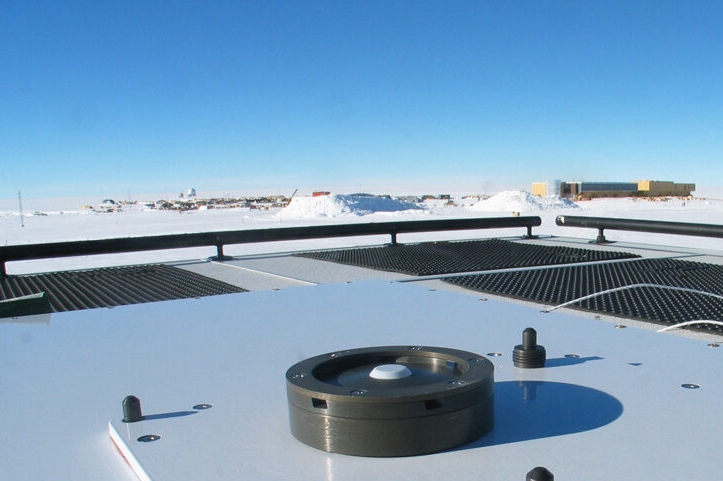
NDACC instrument at South Pole (courtesy of Biospherical)
Climate Change and UV Radiation
The future of ozone monitoring cannot be decoupled from the broader context of climate change and its influence on surface UV radiation. Ozone acts both as a driver and a tracer of climate change. While ozone is a greenhouse gas, the recovery of the ozone layer is being modulated by climate-driven changes in stratospheric temperature and circulation. Moreover, because ozone absorbs UV radiation, variations in its concentration directly affect human and ecosystem health, as well as material degradation. Continuous, quality-controlled measurements of ozone, UV radiation, and key atmospheric components (e.g., aerosols, clouds) are therefore essential to support both the Montreal Protocol and the Paris Agreement, providing a vital bridge between ozone recovery and climate protection.
Monitoring ozone is critical for understanding and predicting climate change because ozone plays multiple roles in the Earth’s radiative balance and climate feedback mechanisms. On the one hand, climate change influences ozone by enhancing the Brewer-Dobson circulation and cooling the stratosphere, which can slow ozone recovery. On the other hand, changes in ozone concentration, especially in the upper troposphere and lower stratosphere (UTLS), strongly affect temperature gradients, atmospheric circulation, and jet stream dynamics.
Monitoring ozone is critical for understanding and predicting climate change because ozone plays multiple roles in the Earth’s radiative balance and climate feedback mechanisms. On the one hand, climate change influences ozone by enhancing the Brewer-Dobson circulation and cooling the stratosphere, which can slow ozone recovery. On the other hand, changes in ozone concentration, especially in the upper troposphere and lower stratosphere (UTLS), strongly affect temperature gradients, atmospheric circulation, and jet stream dynamics.